
When it comes to accessibility and accommodations on college campuses, both public and private, these institutions are required to provide tools and resources for students who require them. These tools and resources support college students in being successful in their adventure. But what services are offered at Buena Vista University, and are there any flaws for what is given to help students succeed?
Donna Musel, the director of the Center of Academic Excellence (CAE), has a multitude of oversights within her position: in-person and online disability services, tutoring, helping those with academic needs and those on academic notice. Musel deems herself as a person who, “when it comes to things that I want for students, I dream really big.”
Through that belief, she pushes ideas that either came from herself or from students that would benefit the population on campus. Current benefits in place that Musel recognizes students may not know about include the sensory rooms in the CAE and in the Wellness Center. The Nook, located on the third level of the library, is in the process of being transitioned into a space for people with interest in a low-sensory study area.
Requesting changes on campus does not always go as planned, however. There are many factors that go into making college and university campuses more accessible and accommodating. “I think you would find that at any school,” Musel said, “we can always do something better if we had unlimited funds, or if we had more people, or those kinds of things.”
Musel is firm in her standing that Buena Vista could look at “some creative solutions better than saying ‘we just can’t do this.’”
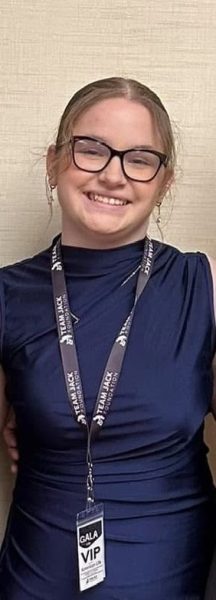
One student who has benefited from Buena Vista University’s current accessibility is Alex Kron, a sophomore studying biomedical sciences. In 2018, at the age of 12, Kron was diagnosed with brain cancer. She went into remission in April 2020. Her cancer has and continues to affect her mobility, as well as her information processing.
At BVU, Kron is able to record audio of class lectures and gets extra time on exams that are proctored in the CAE. However, many of the struggles that Kron faces on campus are aimed toward accessibility.
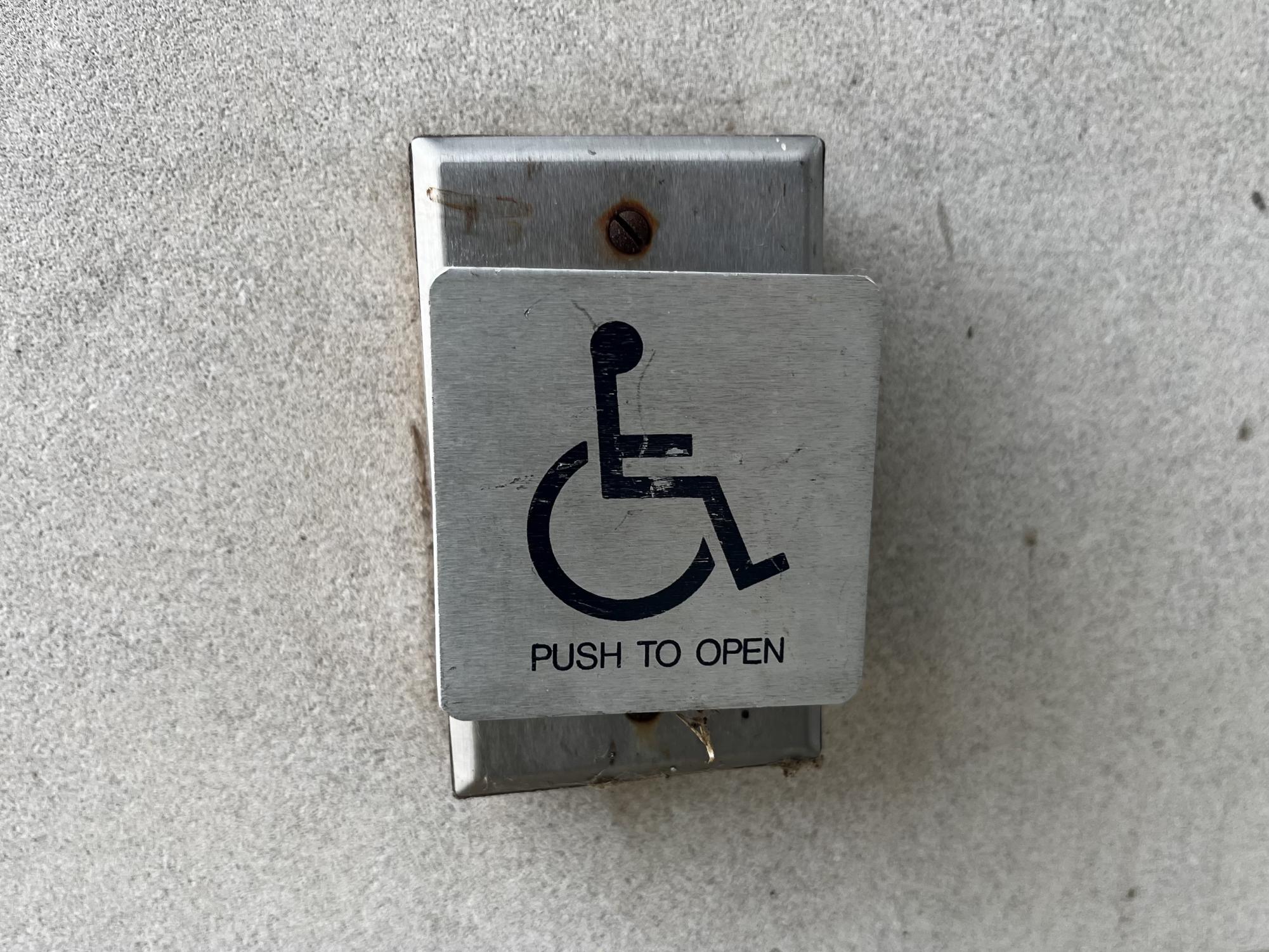
“Some of the most prominent issues that I have faced on campus with the accessibility would have to be where the handicap buttons are placed on the doors and some doors do not have those buttons,” Kron said. A majority of buildings on campus have single sets of push buttons that are placed on the main entrance doors. However, the Social Sciences and Art building’s main entrance is not accessible at all. There is a detour needed to get accessible access into the building that is not always suitable for weather’s sake.
In the Estelle Siebens Science Center, the only bathrooms with push button-entrances are on the first floor. “People who need them are not confined to just the first floor – I think there should also be one on the second floor,” stated Kron.
Kron acknowledges that there have been changes made to campus for better accessibility. Over the summer of 2025, sidewalks were updated to have smoother drop-offs onto the roads, and “less handicap buttons have been broken this year.”
“There are still some improvements that could be made,” Kron said, “as this will not be the only year people who need the accessibility will be attending school on this campus.”