
In a 2022 campaign video, President Donald Trump said, “If we don’t have free speech, then we just don’t have a free country. It’s as simple as that.” Oct. 2 of this year, the White House reminded the public that President Trump “is a strong supporter of free speech.” In a roundtable on Oct. 8, President Donald Trump said that his administration “took the freedom of speech away,” because the concept interfered with his goal of prohibiting the burning of the American flag.
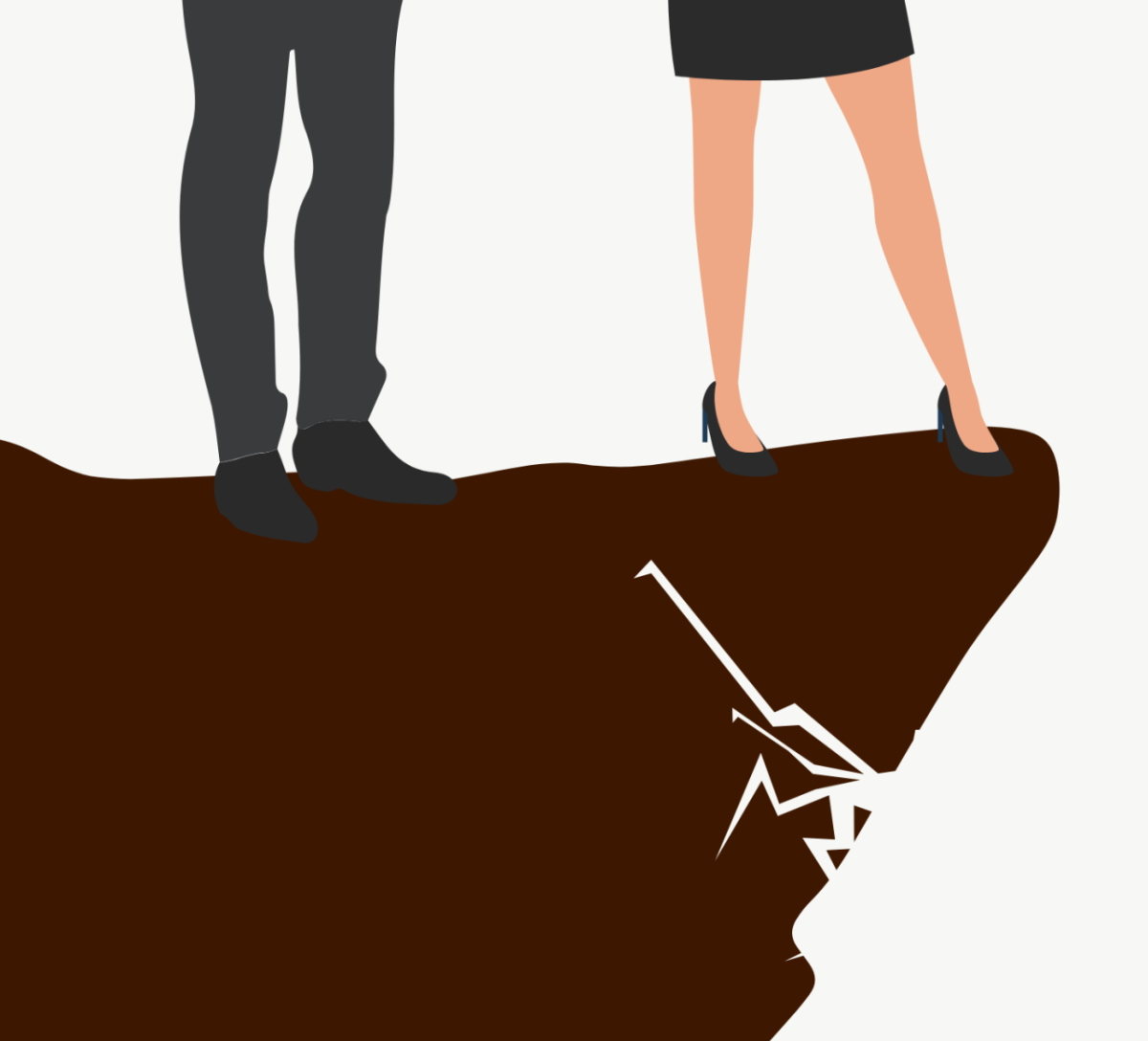
It’s easy to speak in defense of free speech when you’re the one speaking, but true support of “free speech” would be acknowledging the freedom of others to disagree, even when things get ugly. While the President does still have the right to speak his mind, his actions hold more weight.
It can seem like the President is an all-powerful being, but the truth is, he’s not. There are protections built into the Constitution to ensure no one person in the government has the power to make such a drastic change on their own. Each branch of the government has different roles, and ways to regulate the actions of the other branches. For example: only Congress can write laws, and the Supreme Court rules on what is and isn’t lawful.
An Executive Order can seem a lot like a law, but it only has the power to instruct government officials what to do. It can place priority on certain tasks, apply policy to federal departments, or prompt discussion on an issue.
An Executive Order is not a workaround to allow a President to write a new law or to overwrite past policy. In response to an Executive Order, Congress can respond with legislature if appropriate, a court can deem it unlawful, and a future President can rescind or amend it.
In America, our right to free speech is defined in the First Amendment of the Constitution, and the role of interpreting the Constitution falls to the Judicial branch of government. In 1989, the Supreme Court heard the case of Gregory Lee Johnson, convicted for burning an American flag. The majority ruled that flag burning constitutes a form of “symbolic speech” that is protected by the First Amendment.
If our checks and balances work as they were designed to, the Executive Order issued and the attempts to assign a sentence to the crime could be challenged since they contradict this ruling. However, this process takes time, resources, and devoted individuals.
Looking at the bigger picture, this debate isn’t just about burning flags.
The truth is, free speech isn’t always pretty. The First Amendment has protected many people: protestors, critics, communists, Nazis, nonconformists and flag burners. America is no utopia, and there are people who will use their freedom of speech to be mean or hateful to other people. But that doesn’t mean it’s not necessary for the survival of our democracy.
Our democracy can only exist with constant feedback from the public. If the government is the one deciding who can speak and what they can say, we lose all our power as citizens. All that would exist is a feedback loop, enabling the government to function in its own best interest.
Without dissent against the government, the Union Jack would still fly over every city of British America. Without minds coming together from all pasts and places, America wouldn’t be at the heart of innovation and discovery. Without people getting loud, angry, and a little offensive when they see a problem, we would be the same as we were 250 years ago.
The threat isn’t protestors chanting and burning flags. The threat isn’t just a leader overstepping his power. The threat is an Orwellian world in which the only opinions must come regurgitated from the government. We stand at a point in history where we decide as people if it’s okay to get a little ugly sometimes in exchange for a better life.