
Throughout my childhood to my graduation from high school, my passion was set to dedicate my life to art. I watched so many cartoons as a kid, and I was inspired to draw just like the cartoons on TV. Looking up to the animators who have influenced my work, I aspired to follow a career where I can do just the same.
Becoming a first-year college student studying animation in a generation where generative AI has become the norm in the workforce is jarring.
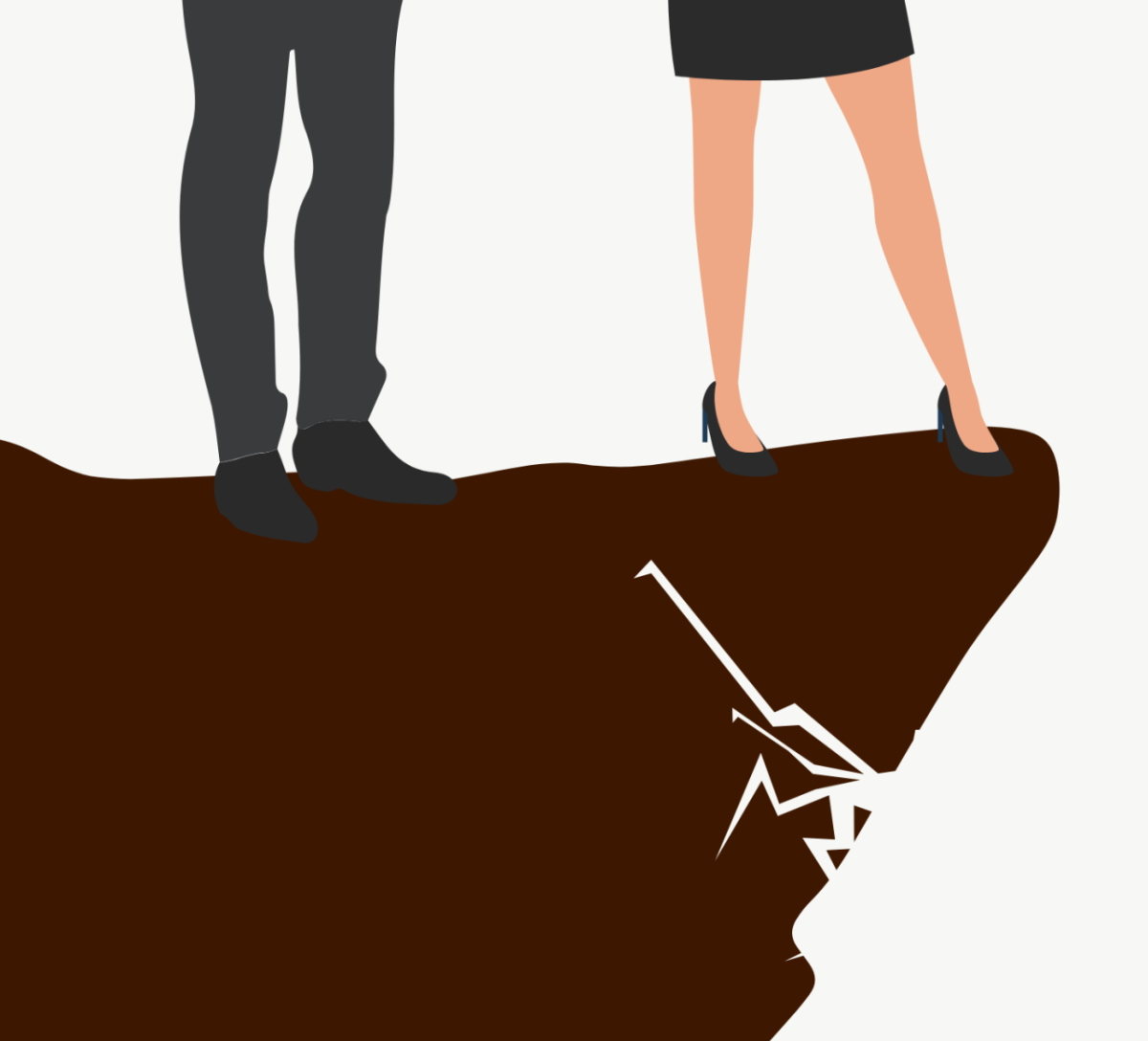
The discussion around generative AI is quite a popular topic, and the acceptance of it has become more normalized; however, if one has discussed it in the artistic field, the opinion differs from the majority. This brings into question the ethical usage of generative AI.
The introduction of AI dates to the 1960s and was further advanced in 2022 with the launch of text-to-image generation from Stability AI. The launch of this revolutionary concept was a booming success, as other procedures followed steps to replicate that same success. The whole idea behind AI image generation is to promote efficiency and to improve the productivity of creative ideas.
Generative AI has made significant improvements over the past few years and has progressed to generate efficiency with its results for the consumer. Although the general response to the advancement of AI has been relatively positive and has been normalized in the workforce, the rise of companies laying off workers in favor of generative AI is more common than you think.
As of late, the workforce has been leaning heavily toward the usage of generative AI as a replacement for workers. As of 2026, more than 61,000 employees were laid off due to a shift in favor of AI. Companies are adapting to this “A.I. era” where they would rather reduce their workers to adapt to the new shift of this generation.
Look at the Super Bowl ads for this year. Alongside the sheer reputation the Super Bowl holds, the American audience also looks forward to the ads shown for this event. Brands invest heavily in their production this time of year to produce an ad that captivates their audience through its humor. There has been a significant push into using AI to generate the production of the ad, or a promotion to show off new AI models and features.
Svedka, a vodka company, was the first to have a completely AI-generated commercial played in the Super Bowl. Despite the ad having a “pro-human” message, it ultimately used AI for its entire runtime. Its previous ads used CGI for a character named “Fembot.” Even though Sara Saunders, the chief marketing officer for Svedka, claimed this ad did not make their process any more efficient nor save them money, they are still normalizing AI to be used more frequently instead of conventional animation, such as CGI.
It’s not just commercially huge events but also in everyday lives. Your favorite go-to drink, the company could have used AI to generate its graphics for their advertisements or even on the product itself. The local business down the road used AI to generate its logo. Your favorite movie franchise uses AI for the early concepts of the story and adds animated AI segments.
The point is, AI is everywhere; that does not mean artists are not going anywhere. There have been guardrails put up to determine what is an ethical way to use AI image generation. Specifically, the favor of using this tool in creative fields where designers and artists are most dominant within that field is important.
There has been quite a concern about whether the rise of generative AI will replace artists and their creative expertise. I truly believe artists can never be replaced, despite the statistics and the culture shifting to favor AI for its production. Artists will continue to make art. Whether it be in games, music, illustrations, animations, or in any medium that requires the hand of an artist as part of the creative process, no computer can truly replace that liberty.
As a creative, continue to show off your work. Businesses will not come to find your work; you can find them. Local businesses offer a negotiation for your contribution to their business. Within your own communities, demonstrate how hiring artists instead of relying on AI can be beneficial for both parties.
It will not be an immediate change; however, starting out small to introduce your creative work can not only create a strong relationship within the community but also physically show how generative AI should not be used as a replacement for creative jobs.