
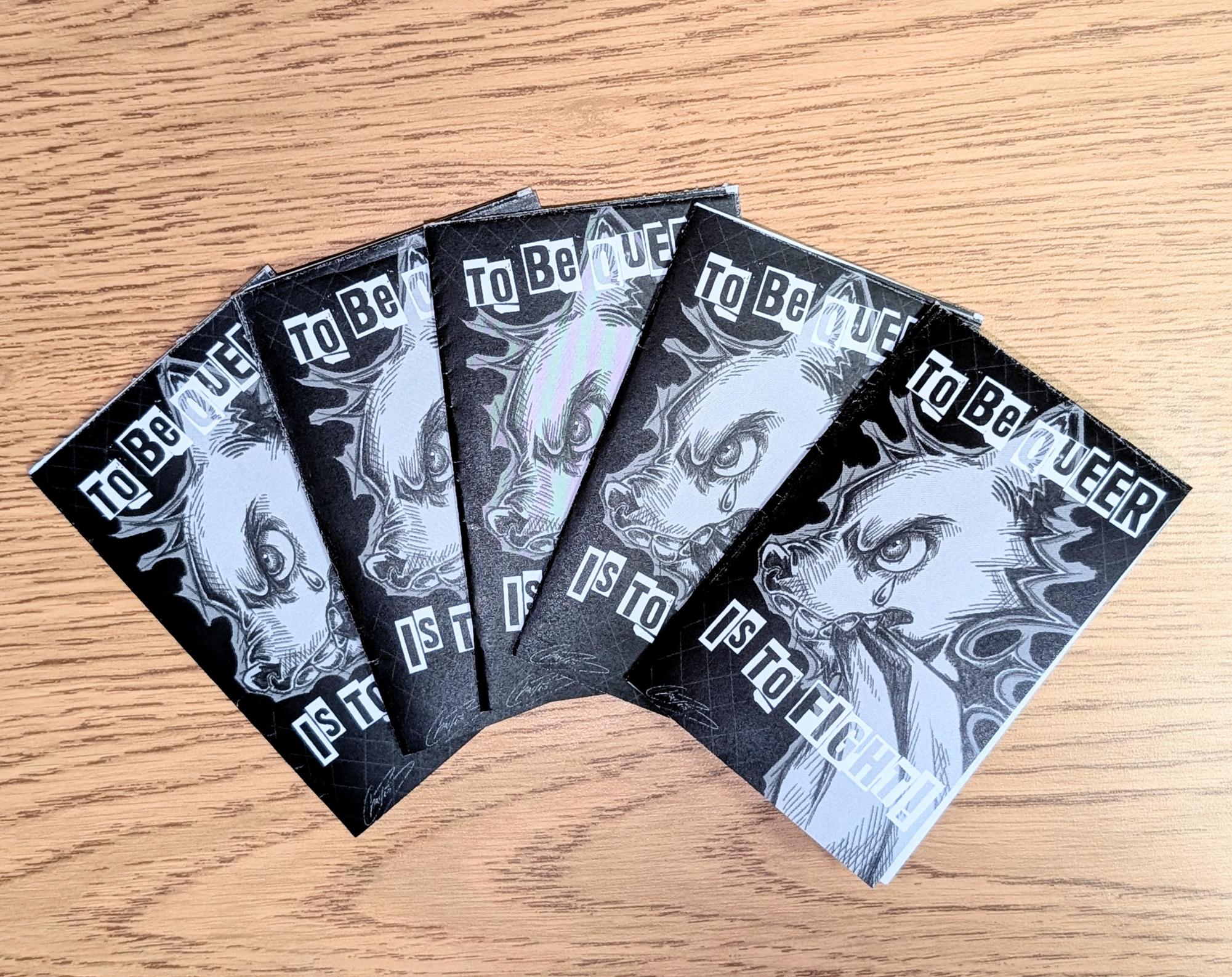
Zines — short for “magazines” — are self-independently published works that are usually unprofessionally made and catered to a specific audience. They are often cheap to make and have a “DIY” type of vibe for the work. These zines are popularly used to voice anything from the individual.
To recap Bookriot’s study of zines, in the 1930s, the photocopiers were not yet invented; what was available during this period was the mimeograph machine. These machines were not ideal for massive publications; however, they were the ideal machines for fan magazines. During the 1940s, the rise of science fiction fanzine culture was born. Fans used this medium to express their love of science fiction and passed each other these fanzines to one another to find other fans interested in the topic.
It was up until the 1970s and ’80s where the medium was popularly used within the punk culture to spread politically charged zines that catered to critiquing or aiming to spread radical expression.
The push for this radical approach was thanks to “riot grrrl.” According to The New York Times, “riot grrrl blasted feminism to the future” and was a political feminist movement to push its punk views through its art.
One of its forms of expression is through their zines. Riot grrrl zines strived to be a “feminist manifesto” with the goal of bringing light to their punk ideologies and to fight back against the system.
Queers followed to create zines of their own to express their distaste and overall opinions on current events. They even used this medium as a form of activism to protest the government that criminalized their existence from the 1980s.
One expression being a subcultural concept called Queercore. Following Queercorebook’s definition of queercore, it served as an attack on punk culture to call out its sexism and homophobia. Which later stemmed from more political critiques within their own community. This very subculture became a safe space for queers who feel they did not fit in with other subcultures.
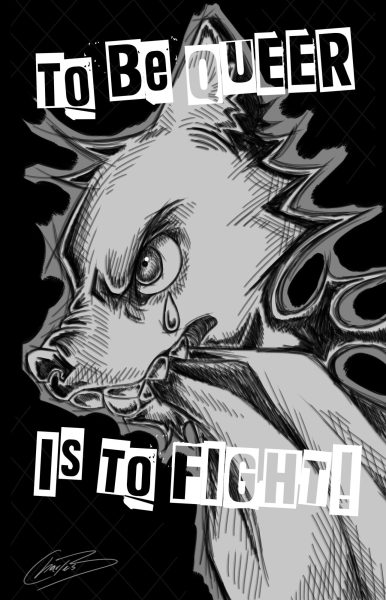
My zine is a tribute to the old-fashioned way of passing out information during the highest peak of punk culture in the 1980s to ’90s. I made the decision to make it black and white to mimic the lack of color these zines used to have, and used this “DIY” look to show the bit of unprofessionalism from the time. I photobashed and drew graphics in Adobe Photoshop and used that newspaper font to sell the old look.
The making of this zine was a blast. Putting together the information together and the graphics to inform you, the reader, about a time in America where queers felt the need to be heard, I felt so personally connected to the outrage. It made me feel more personally connected to a time when I was not even born.
Zines have always been a practice of the First Amendment. The right to petition is the right to express grievances against the government. Queers during this time were criminalized for their existence in America and were punished for expressing their queerness publicly.
At its very core, these zines were a way for them to protest and urge the government to legalize their existence. Even in the form of a little booklet, so much of the information within was usually an expression of protest.