

Alex Kron is 1 in 500 children born in the United States to be diagnosed with medulloblastoma, the most common pediatric cancerous brain tumor. Medulloblastoma is an embryonal tumor, coming from undeveloped cells in the brain, and can cause pressure on the brainstem due to it forming in the cerebellum.
Kron was diagnosed at the age of 12 in 2018, but thanks to the incredible dedication from doctors at Mayo Clinic, she went through remission in 2020.
Born in Schaller, Iowa, to parents Gary and Tara Kron, along with her three older sisters Dani, Veronica, and Michaela, Alex lived an average life – played sports and spent time with friends. However, after Kron’s medulloblastoma diagnosis, she felt devastated.
“Before this, the only experience that I had with cancer was death,” Kron said. “My other initial thought was, ‘Oh, so basically, I am going to die. I cannot die because I am so young and I have so much more life to live.’”
Once the biopsy came in, Kron’s doctors assured her parents that she would go on to live a full, normal life after treatment. The doctors put together the correct treatment plan for Kron’s normal-risk medulloblastoma.
At Mayo Clinic in Rochester, Minnesota, Kron went through six weeks of proton beam radiation. Because of this, Kron had to live in Rochester with her mom and dad alternating weeks in which they would stay with her. She was unable to participate in generic schooling like she had been for those six weeks.
Once radiation was completed, Kron had to go through a chemotherapy regimen. “I could not attend school anymore and I started to face the side effects like losing my hair, low blood counts, and peripheral neuropathy,” Kron recounted.
“To this day, my blood counts are better, all of my hair has grown back, but since the chemotherapy was so toxic, I still have bilateral peripheral neuropathy and drop foot.” Kron now uses special leg devices that send an electrical signal to her leg muscles, which assists in picking up her feet, when she is combating her drop foot.
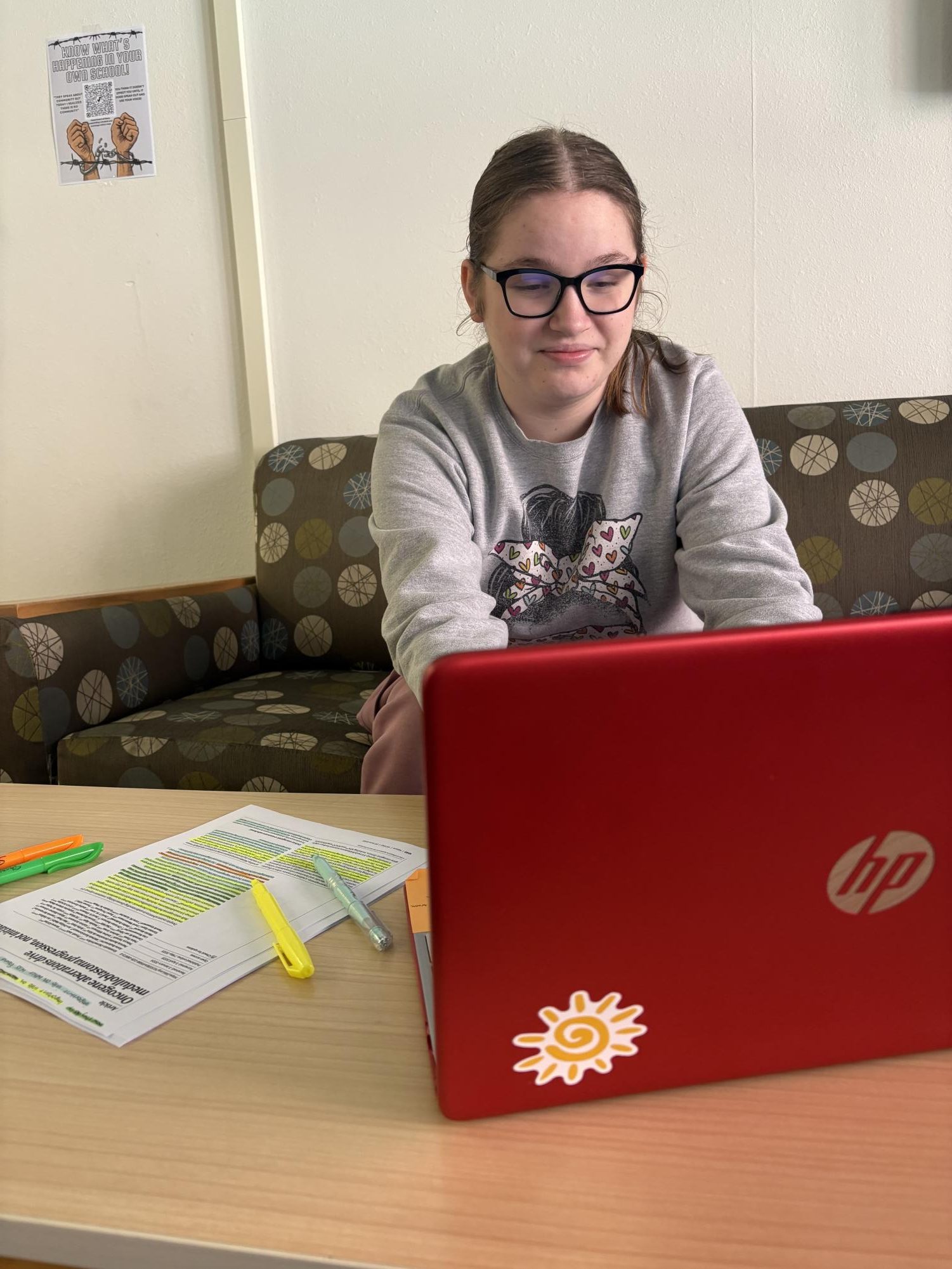
Now at Buena Vista University in her sophomore year, Kron is studying biomedical sciences on the pre-medicine track. Her second oncologist, Dr. Schwartz, got her interested in this degree. “Changing from my first oncologist to my second was scary,” Kron said, “but he made me feel right at home and in good care. He also made sure that I knew everything that was going on which made me want to be that type of oncologist for someone else.”
With her biomedical science degree, Kron hopes to attend medical school to become a pediatric neuro oncologist to help kids with central nervous system cancers, like medulloblastoma. She strives to be the doctor that inspires patients since she has direct experience with pediatric cancer.
As a message to those who are experiencing what Kron once did – and still is – is to never give up on their hopes and dreams, and to not let a scary situation take over their life. “You will meet people along the way that unfortunately will not make it, but what you go through with that diagnosis does not define who you are. It shapes who you are.”
Kron sees her cancer diagnosis and following recovery as the reason for who she is today. “It did not end my life,” she stated, “but instead it opened my eyes to how short life is to not strive for your dreams.”