

The Buena Vista University library has withdrawn just over 1,100 books from its collection in the past few months, a decision tied directly to academic program changes rather than declining interest in print materials.
Library Director Jodie Morin explained that these books make up less than 2% of the library’s roughly 60,000 volumes. The withdrawals happened after BVU eliminated majors like philosophy and religion, theater and drama, physics, and music education.
“Our main goal when we buy books, whether print or e-books, is to support what we are teaching,” Morin said. “So, when a major goes away, we need to take a hard look at what is still relevant.”
BVU’s collection policy focuses on making sure resources match current courses. Once those majors were gone, many books tied to them were not supporting student learning anymore.
However, the decision carries an emotional weight for some faculty members. Donna Musel, director of the Center for Academic Excellence, reflected on how the changes affect students. “I think anytime we lose books, it is sad, especially since I come from an English background and love books,” Musel said. “But I also see how much students can still find online. Our librarians are really great at helping students track down what they need, even if the exact book is gone.”
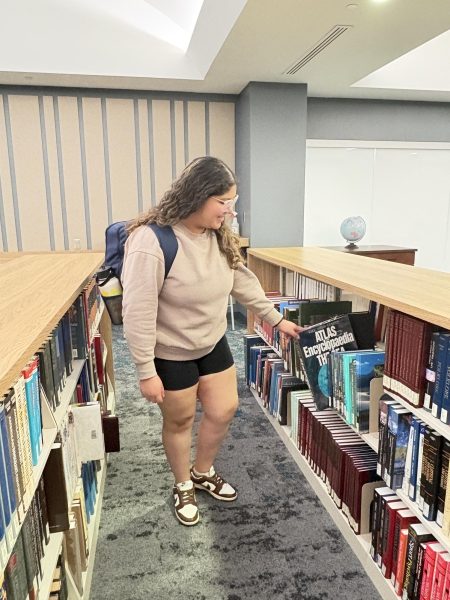
Ballou Library.
While some of the withdrawn books had not circulated in years, the decision was not just about how often they were borrowed. Instead, the library looked at whether the subject was still taught, how often books were checked out, and whether other libraries in the Iowa consortium held them.
That review started last spring and continued through the summer, with books being gradually pulled during the school year.
The good news is that students haven’t lost access. In 2020, BVU joined the Central Iowa Collaborative Collections Initiative — a consortium of eight Iowa academic libraries. Each school agreed to keep certain books long-term. Before pulling the 1,100 volumes, the library confirmed each book is still available at least one of the member schools. Students can request them via interlibrary loan.
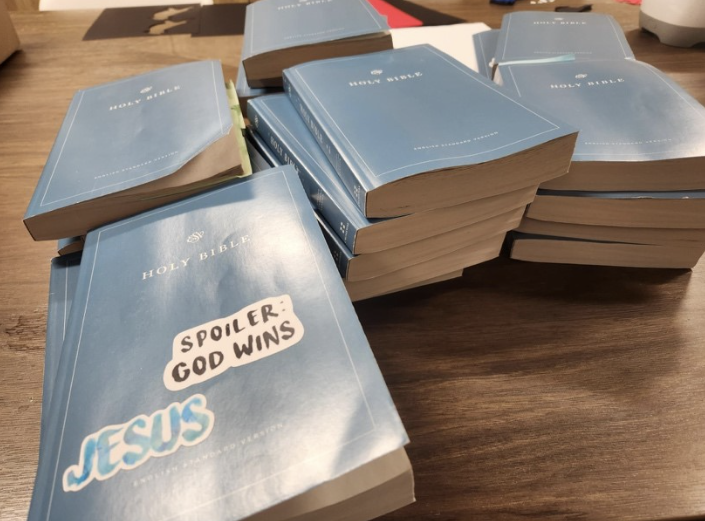
The books were on display for a week so anyone could take them for free. After that, the remaining volumes went to Better World Books, a company that resells and donates them to libraries in developing countries.
While print books still matter, the library is also buying more e-books, especially for online programs. Still, digital books often cost much more, so budget always plays a role.
Morin stressed that these decisions, whether adding or removing books, are part of ongoing collection management. When new classes come up, librarians help decide what resources are needed. And when programs end, related materials are reassessed.
This latest step may be rare, but it’s a careful way to keep the library’s collection aligned with what BVU students are currently studying, while still ensuring access through the consortium.